
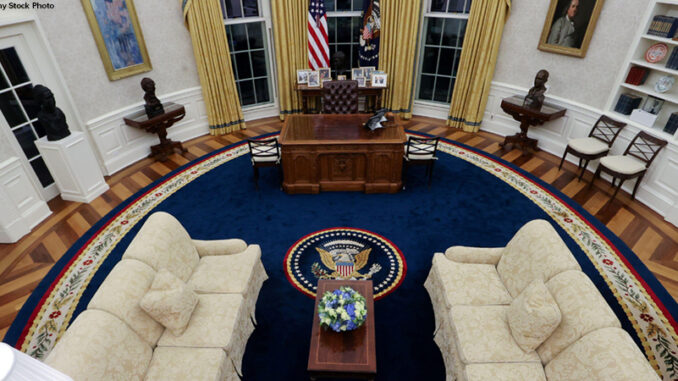
For many Americans, including federal employees, President’s Day means a day off from work. For you and your teachers, it likely means a day off from school. But the holiday is more than just a three-day weekend. It’s a celebration of our first president, as well as the values that he stood for. Here, btw takes a closer look at the holiday, how it has changed over time, and what it means today.
What Does It Celebrate?
George Washington, the nation’s first president, was born on February 22, 1732. During his lifetime, Washington always celebrated his birthday quietly. Nevertheless, before the United States became a country, the colonists had always celebrated the King’s birthday. After the Revolution, it was a natural transition to begin celebrating the first president’s birthday instead.
In 1879, the United States Congress decided to make Washington’s birthday a national holiday, and President Rutherford B. Hayes agreed, signing it into law. For almost a hundred years, the country recognized Washington’s birthday on February 22. But today, we celebrate it on the third Monday in February. Why?
In 1971, President Nixon signed an executive order, called the “Uniform Monday Holiday Act,” changing several federal holidays to Mondays. This way, they would never fall on a weekend or interrupt the work week and would increase the number of three-day weekends for federal employees.
But Doesn’t It Also Honor All Presidents?
By the 1980s, it had become popular to refer to the holiday as Presidents’ Day to advertise sales over the long weekend. Since then, the common belief has been that the holiday is called Presidents’ Day because it also honors the birth of President Abraham Lincoln on February 12. Because of this, it is viewed by many today as a day to honor the office of the presidency in general.
But the actual legal name of the holiday is Washington’s Birthday. (The idea to celebrate both Washington and Lincoln on the same day and officially change the name to Presidents’ Day was introduced in 1968, but it was rejected by Congress.) Because of this, today several states–including Virginia, Illinois, Florida, and New York–still refer to the third Monday in February as “Washington’s Birthday,” or “George Washington Day.”
Remembering the First President
Members of the U.S. Senate celebrate the holiday in a specific. It is a tradition for a member of the Senate to read Washington’s 7,641-word Farewell Address aloud every year on February 22, to honor the federal workers who are keeping Washington’s vision for the country alive today.
Each year, the honor of delivering the address alternates between the two political parties. After the reading, the appointed senator signs a black leather-bound book and adds a few of his or her own remarks. The practice began on February 22, 1862, to boost the federal government’s morale during the Civil War. This year, the Address was delivered by Senator Tim Kaine, a Democrat from Virginia.
Some Americans also celebrate President’s Day by eating cherry pie, probably because of the famous story of Washington chopping down a cherry tree as a child. However, this story–like so many of the myths around George Washington’s life–is also false.