
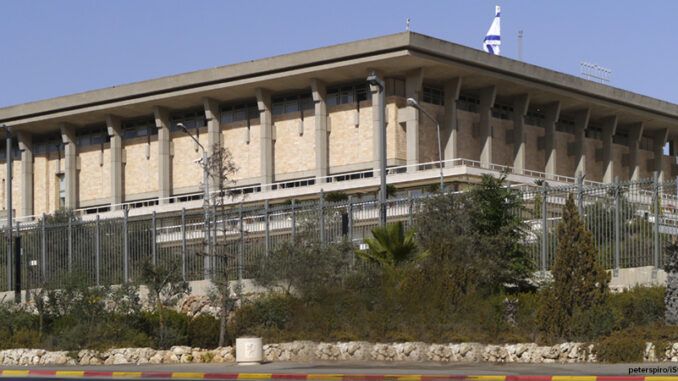
There has been much news about last week’s U.S. midterm elections. But just a few days earlier, an extremely important election also took place in Israel. Benjamin Netanyahu has served as Prime Minister of Israel for nearly two decades. But the ongoing war in Palestine and increased criticism of Netanyahu’s extremist policies have eroded his support. This has opened the door for a new era of leadership in Israel.
Israeli Government Structure
Israel’s government is not set up the same way as the U.S. government. The executive branch is led by the cabinet and a president, whose job is mainly signing law and appointing judges. Instead of Congress, Israel’s legislative branch consists of a 120-seat parliament, called the Knesset. There are two major political blocs: the Likud party, which is very conservative, and the more centrist Yashar party. To take control of parliament, a party must win 61 seats to have the majority. The head of that party then becomes Prime Minister. Currently, the Prime Minister is Benjamin Netanyahu, who is head of the Likud party.
What Happened in the October 27 Election?
In the October 27, 2026, election, Netanyahu’s conservative Likud party won 53 seats. The Yashar party won 48. This party is led by centrist former military chief Gadai Eisenkot. The other 19 seats went to Arab-led parties, the Joint List and Raam. Because no party won the majority of seats, there was no clear winner of the election.
Even though Arabs make up about 20percent of Israel’s population, Arab-led parties have never won so many parliamentary seats before. This year saw record turnout by Arab or Palestinian citizens of Israel. Overall, nearly 78percent of all eligible Israeli voters turned out. This was the highest voter turnout since 1999.
Netanyahu reacted to the results by trying to discredit the election. He said that it was influenced by foreign countries hostile to Israel. However, Israel’s Central Elections Committee investigated the election and found no evidence of fraud. The Committee certified the election results and delivered them to Israeli President Isaac Herzog, which makes the results legally binding.
What Is Happening Now?
Having no clear winner means that more than one party will have to work together in parliament going forward. Immediately after the election, President Herzog began meeting with representatives from all the country’s political parties. Herzog then gave Eisenkot, the leader of centrist Yashar party, permission to start building a new coalition government. Eisenkot now has six weeks to do this by forming alliances. If he is successful, he will become the new prime minister.
Netanyahu is Israel’s longest-serving prime minister. But Israeli citizens showed through their vote that they are signaling a new direction in government. Eisenkot has said he would be open to working with Arab parties in certain circumstances. He has also laid out four conditions for any parties that want to join him. They must:
- recognize Israel as a Jewish and democratic state
- accept its declaration of independence
- support military or civil service for all citizens, and
- declare Hamas a terrorist group.
If Eisenkot cannot form a new government, Israel will hold a new election early in 2027.