
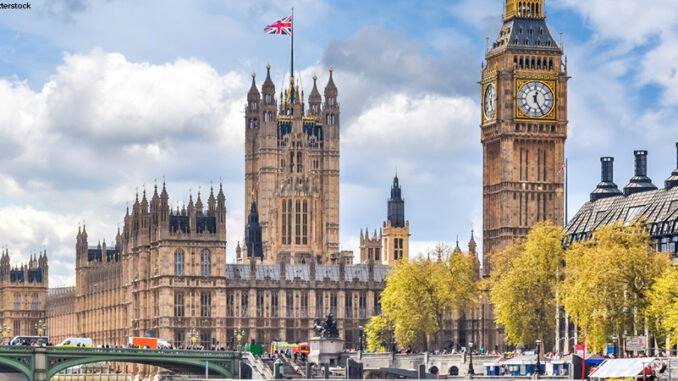
When you think of the British Parliament, do you think of male aristocrats in white wigs, calling each other “my lord”? That is all about to become a thing of the past. The British Parliament has voted to modernize some procedures and make things more democratic. Here, btw takes a closer look at these changes, why they came about, and what they mean.
What is Parliament?
Parliament is the British lawmaking body. Like the U.S. Congress, it is a two-chamber system with an upper and a lower house (like our Senate and House of Representatives). The lower chamber, the House of Commons, oversees passing laws. Those laws are then scrutinized by the upper chamber, the House of Lords.
Members of the House of Commons are elected by the people, much as representatives are elected to Congress in the United States. However, for the past 700 years, those serving in the House of Lords are not elected. Many of the 800 dukes, earls, and viscounts in the House of Lords have simply been there because they inherited a title that was granted to their family, perhaps centuries ago. Today, most British people question whether this traditional system still has a place in a modern democratic government.
Some History
The House of Lords has a complicated history. For most of the past 700 years, the whole chamber was made up of noblemen (not women) who were granted titles because of the family that they were born into. In the 1950s, the noblemen were joined by “life peers,” such as retired politicians and other leaders. These members were still not elected, but they were appointed by the government.
In 1999, the Labour government under Prime Minister Tony Blair deeply revised this system. More than 600 of these noblemen were removed from office. Ninety-two were allowed to remain temporarily, to avoid a revolt by the aristocratic class. But twenty-six years later, those birthright “hereditary peers” are still there.
In March 2026, the House of Lords finally accepted the final draft of a bill to remove the remaining 92 hereditary peers from office–with one major compromise. Some will transition to “life peers” and be allowed to stay on. They will retain their seats for life. However, they can’t pass their seats down to their descendants. Those who are not asked to become “life peers” will leave. The final number of “life peerages” that will be offered will be decided by the prime minister. King Charles III must agree to this, or grant royal assent, which is just a formality. Once that happens, the remaining hereditary peers will leave at the end of the current session of Parliament this spring.
What Do the People Think?
A 2024 poll found that only one out of every seven British people have a positive view of the House of Lords as it currently stands. Those who are in favor of the new bill say that there is no place in a modern democracy for people who have inherited their lawmaking power by birth. They argue that this system makes people mistrustful of Parliament as a whole. Even when birth peers are effective leaders, their legitimacy is questioned because they weren’t elected to their seats. It is also an antiquated system that does not represent the people. Seats are passed down from fathers to sons, and only very rarely to daughters. There is also no mandatory retirement age. Currently, the average age of a House of Lords member is 71, and the chamber is 70 percent men.
On the other hand, those who believe the old system should be retained say that tradition is an important part of British governance. Supporters think these hereditary peers are important for their symbolic value. Supporters of the hereditary peer system argue that it makes the government more stable when legislators aren’t constantly worrying about getting re-elected. Plus, some of the hereditary peers have used their position and privilege to advocate for change. For example, Lord Charles Courtenay, the 19th Earl of Devon, has lobbied to allow women to inherit titles, and has criticized the House of Lords itself for being out of touch and discriminatory.